Learn more about the leaders behind Greenbuild in New York City!
Published October 7, 2026
Urban Green Council is excited to welcome Greenbuild to New York City this October! Helping bring the conference to life are the 2026 Host Committee Co-Chairs Ellen Honigstock, Senior Director of Education at Urban Green, and Hrisa Gatzoulis, Vice President and Head of Sustainability at Rudin. As Co-Chairs, they play an integral role in shaping the local experience and guiding the scores of volunteers who help make Greenbuild possible.
Read to learn more about our co-chairs, their career paths and how they implement sustainable building for a healthier environment.
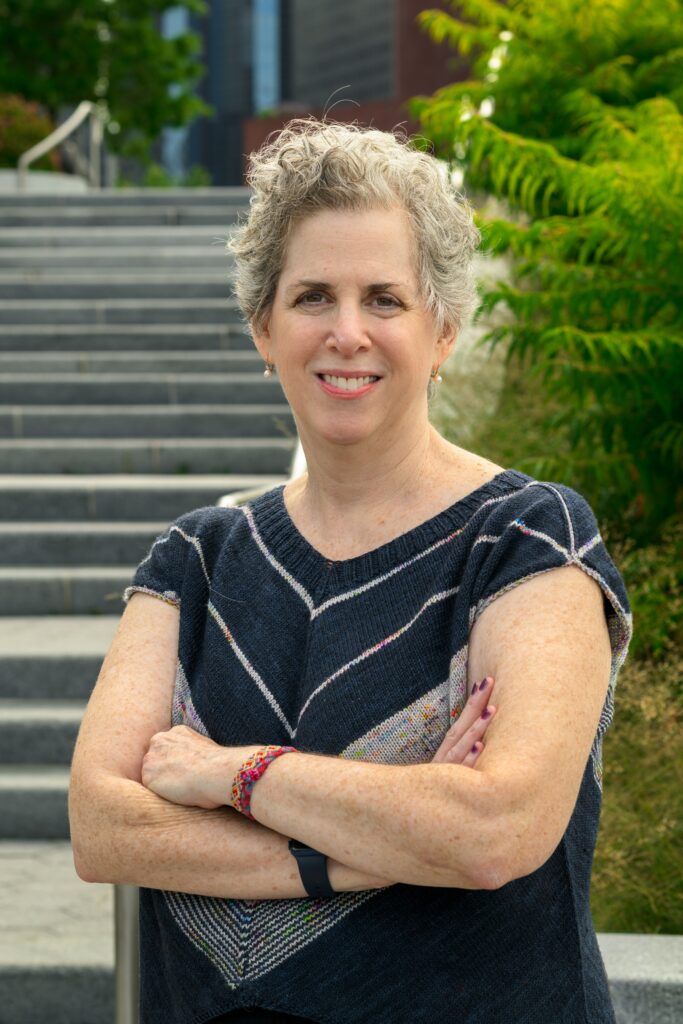
Ellen Honigstock
What led you to a career in sustainability?
I’m an architect by trade. I practiced for about 25 years, with the entirety of my working knowledge of buildings coming from the New York City built environment. In 2003, pregnant with my older son, I discovered the power of LEED at one of those all-day seminars that was required at the time to qualify for an AP certification. I transitioned my firm to work only on green projects and never looked back. In 2009, I joined the first cohort of instructors for the 1000 Green Supers program at the Thomas Shortman Training Fund at 32BJ (which turned out to be wildly successful and trained at least 2500 supers over the allotted time). In 2010, it wasn’t a huge leap to be selected as Urban Green’s first Director of Construction Education, where I worked for the next six years to create the original suite of GPRO courses, which helped establish the foundation for the organization’s workforce education programs.
What challenges do you see over the coming years?
The building performance standards and energy codes are arguably the strongest tools we have to accelerate the growth in high-performing buildings. New York City is leading the way with Local Law 97, a carbon cap for the city’s 50,000 largest properties, and Urban Green has been the top provider of energy code training over the past five code cycles. My vision is that as more cities and states adopt policies to reduce carbon emissions by requiring buildings to have better, more efficient, and comfortable buildings, Urban Green can help to flatten the learning curve for everyone involved, making the process effective and affordable.
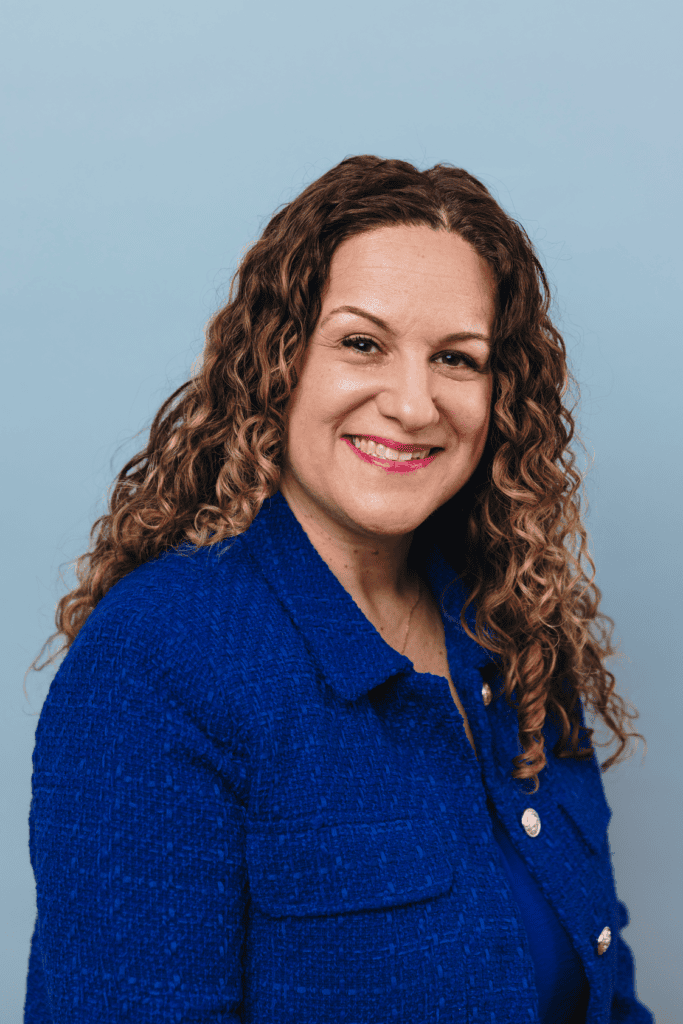
Hrisa Gatzoulis
What drew you to sustainability and when did you realize it could be a career?
I studied biology at the University of Kansas and was going to pursue genetics. But as I moved through my coursework, I found myself interested in environmental science – how you can connect real-world things to how the human body works.
At the beginning of my career, before we started using the word ‘sustainability,’ I was focused on environmental remediation. I spent years studying subsurface soils and groundwater, and that experience led me to focus on the built environment.
Today, I’m fortunate to have my dream job at Rudin, helping our operations and construction teams integrate sustainable materials and technologies across our multifamily and office portfolio. Sometimes you build experience, follow what interests you, and eventually find yourself in a place where it all comes together.
How has sustainability in the built environment changed since you started your career?
The perception of sustainability has changed a lot over the course of my career. It used to be viewed as something aspirational or fringe, but today there’s much better data showing how directly the built environment affects energy use, emissions, and human well-being.
The definition has evolved for me, as well. It started with questions around energy efficiency, but now it’s much broader. It’s about creating buildings that are healthier and more resilient. We spend so much of our lives indoors, so improving the places where people live and work has a meaningful impact.
Rudin has operated buildings in New York for more than a century. Does that legacy impact decisions on investments in efficiency and sustainability?
When you own and operate buildings for generations, sustainability stops being a trend and becomes more of a responsibility. That sense of stewardship is very much part of how Rudin thinks about its buildings and the decisions we make around them.
For me, sustainability is really about two things: being a good steward of the environment and creating buildings that are better for the people who use them. Buildings don’t use buildings; people do. Whether we’re talking about efficiency, electrification, materials, or waste, the goal is to make thoughtful decisions that leave these places better for the next generation.
Have you registered for Greenbuild 2026?
Register to join Ellen and Hrisa at the world’s largest annual event for sustainable building professionals. From October 20-23, Greenbuild will host its conference and expo at the Jacob K. Javits Convention Center. Visit the Greenbuild website to learn more.
Greenbuild International Conference & Expo
Join us from October 20-23 at the Javits Center for the Greenbuild International Expo!
The Urban Green Gala [Sold out]
Support our largest fundraiser of the year and connect with the global sustainability community at the Urban Green Gala!
Explore our NYC building data hub
Learn more about NYC's buildings and their energy use in this interactive data hub.