
Published July 1, 2026
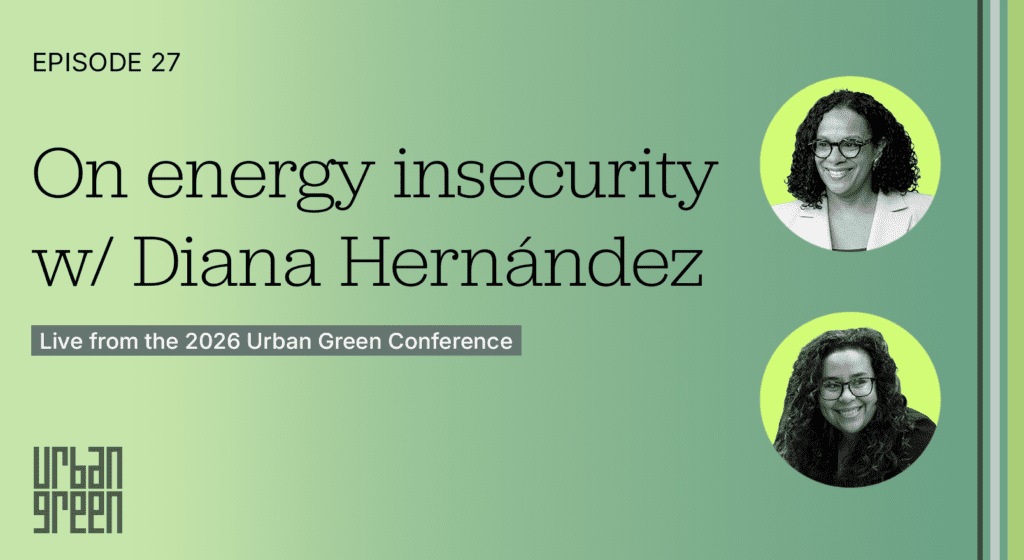
Energy insecurity impacts approximately 1 in 3 U.S. households, with many more at risk. In this fireside chat, Diana Hernández, author of Powerless: The People’s Struggle for Energy, joins Daphany Rose Sanchez to unpack the essential dimensions of energy insecurity. They discuss the physical, economic, and behavioral toll of inadequate energy, as well as strategies for advancing equity.

Thank you to our lead sponsor, Carrier!
Speakers
Diana Hernández
Associate Professor, Columbia University Mailman School of Public Health
Diana is an Associate Professor and Founding Principal Investigator of the Energy Equity, Housing and Health Program at the Mailman School of Public Health. She is also the co-director of the Energy Opportunity Lab in the Center on Global Energy Policy at Columbia University. A pioneering sociologist, Diana has advanced the concept of energy insecurity through innovative mixed-methods research, community partnerships, and policy interventions. She is the lead author of Powerless: The People’s Struggle for Energy, the first and most prominent book on energy insecurity in the U.S.
Daphany Rose Sanchez
Kinetic Communities Consulting
Daphany is an experienced community organizer and an expert in climate and housing. Born and raised in NYC public housing, Daphany witnessed and lived through the intersections of housing discrimination, climate divestment, and economic injustice. Daphany’s experience motivated her to advocate for climate resiliency and organize neighborhoods across every borough, while collaborating with renewable energy companies to provide people with the necessary tools to reduce their energy bills and protect their homes from natural disasters. She holds an M.S. in Business Analytics and AI from NYU Stern and an M.S. in Environmental Policy and Sustainability Management from The New School.
Key takeaways
- Energy insecurity often coincides with other hardships. Currently, 1 in 3 New Yorkers struggle to pay their rent and, consequently, may also struggle to pay for energy. Energy insecurity can not be addressed without considering the other factors that play a role.
- When people lack access to energy, they may turn to harmful methods to achieve adequate temperatures at home. Without sufficient heating, 1 in 5 New Yorkers resort to turning on their stoves.
- Decarbonization is caring work for people and the environment. Addressing energy insecurity must be included in efforts toward a clean energy transition.
- Building professionals can support people facing energy insecurity by advocating for the elimination of barriers to financial assistance and factoring affordability concerns into their projects. Consider: How can we design and cultivate homes that people can afford?
Transcript
The transcript is coming soon.
Building Tomorrow: Conversations with Climate Solvers
Building Tomorrow demystifies complex ideas about buildings, and introduces you to the people doing the work!
Uncovering Energy Insecurity with Diana Hernández
Sociologist Diana Hernández joins to discuss the dimensions of energy insecurity and how building professionals might address this growing issue.
Keynote with NYC Comptroller Mark Levine
Live from our 2026 conference, NYC Comptroller Mark Levine joins to discuss the city's economy and building decarbonization.